Introduction
Blood sugar stability is one of the most important—yet overlooked—factors in maintaining steady energy, mental clarity, and long-term health. For adults over 40, fluctuating blood sugar levels can feel like an invisible challenge: one moment you're alert and focused, the next you're reaching for a snack just to function. The good news is that what you eat has a direct, measurable impact on how your body manages glucose. Rather than relying on restrictive diets or supplements alone, understanding which natural foods help stabilize blood sugar levels can transform how you feel throughout the day. This article explores the science-backed foods and nutritional strategies that support balanced glucose metabolism, helping you reclaim the steady energy and mental sharpness you deserve.
Understanding Blood Sugar Regulation: The Biology Behind the Balance
Blood sugar regulation is a complex biological process controlled by your pancreas, liver, and hormones—primarily insulin and glucagon. When you eat, carbohydrates break down into glucose, which enters your bloodstream. Your pancreas responds by releasing insulin, a hormone that signals your cells to absorb that glucose for energy or storage. For many adults over 40, this system becomes less efficient. A 2022 study published in Diabetes Care found that insulin sensitivity naturally declines with age, meaning your cells become less responsive to insulin's signal.
This decline isn't inevitable—it's heavily influenced by diet and lifestyle. When you regularly consume high-glycemic foods (those that spike blood sugar rapidly), your pancreas must work harder and harder to keep up. Over time, this constant demand can lead to insulin resistance, where cells ignore insulin's signals altogether. The result is persistently elevated blood sugar, fatigue, weight gain, and increased risk of type 2 diabetes. Understanding this mechanism is crucial because it shows why simply "eating less sugar" isn't always enough. You need to actively choose foods that help stabilize blood sugar levels by slowing glucose absorption, providing sustained energy, and supporting your body's natural insulin response.
The Role of Hormones in Blood Sugar Balance
Beyond insulin, several other hormones play critical roles in glucose regulation. Glucagon, released when blood sugar drops, signals your liver to release stored glucose. Cortisol, the stress hormone, can increase blood sugar when you're under pressure. Leptin and ghrelin control hunger signals, and when blood sugar is unstable, these hormones become dysregulated, making it harder to recognize true hunger. For example, many people with blood sugar imbalances find their appetite signals completely unreliable—they might feel ravenous after eating a high-sugar breakfast, even though they consumed plenty of calories. This hormonal chaos is why dietary intervention is so effective; it rebalances these hormonal systems rather than fighting against them.
Recognizing the Signs: How Blood Sugar Fluctuations Affect Your Body
Blood sugar imbalances often develop silently, which is why many adults don't realize they have a problem until symptoms become disruptive. The most common early warning signs include mid-afternoon energy crashes—that 2 or 3 p.m. slump when your brain feels foggy and your body feels heavy. You might find yourself reaching for coffee or a sugary snack, which provides temporary relief but makes the problem worse later. Other telltale signs include difficulty concentrating, irritability when hungry, and strong cravings for sweet or salty foods.
Physical symptoms are equally important to watch for. A 2021 study in the American Journal of Clinical Nutrition identified that erratic blood sugar is linked to increased thirst, frequent urination, and unexplained weight gain despite no change in calorie intake. Some people experience shakiness, sweating, or heart palpitations—classic signs of blood sugar dropping too quickly. Mood changes are also common; unstable glucose levels directly affect serotonin and dopamine production, leading to anxiety or depression that seems to come out of nowhere. Sleep disruption is another red flag: when blood sugar drops overnight, your body releases cortisol and adrenaline to raise it, often waking you between 2 and 4 a.m. If you recognize several of these patterns, your diet is likely a key place to intervene.
The Daily Toll: How Unstable Blood Sugar Impacts Your Quality of Life
Living with unstable blood sugar is exhausting in ways that go beyond simple fatigue. Your energy becomes unpredictable—you might start your morning strong but hit a wall by mid-morning, forcing you to plan your day around snack breaks and coffee refills. This constant energy management becomes a mental burden, consuming cognitive resources that should be available for work, relationships, and hobbies. Many adults over 40 describe it as feeling like they're running on fumes, even after a full night's sleep.
The impact extends to physical health and longevity. Research from Harvard Medical School showed that chronic blood sugar instability increases inflammation throughout the body, accelerating aging at the cellular level. This inflammation contributes to joint pain, muscle weakness, and slower recovery from exercise—all things that make staying active more difficult. For many people, the cycle becomes vicious: poor energy makes exercise feel impossible, lack of exercise worsens insulin resistance, and worsening insulin resistance makes blood sugar even less stable. Socially, the unpredictable nature of these symptoms can be isolating; you might cancel plans or avoid activities because you can't predict how you'll feel. The encouraging reality is that dietary changes addressing foods that help stabilize blood sugar levels can break this cycle within just 2-3 weeks.
Natural Dietary Approaches: Building a Blood-Sugar-Supportive Diet
The foundation of stable blood sugar isn't about perfection—it's about consistency and making informed choices that work with your body's biology. Rather than eliminating entire food groups, you're learning to combine foods strategically. The most powerful approach is pairing carbohydrates with protein and healthy fat, which slows the rate at which glucose enters your bloodstream. A 2020 study in Nutrition Reviews demonstrated that adding just 10-15 grams of protein to a carbohydrate-based meal reduced post-meal blood sugar spikes by an average of 30%.
Meal timing also matters significantly. Eating smaller meals every 3-4 hours prevents the dramatic blood sugar valleys that trigger cravings and energy crashes. For adults over 40, eating breakfast within an hour of waking is particularly important—it signals to your body that food is available and reduces the cortisol surge that would otherwise create hunger hormones. Similarly, eating a small protein-rich snack before bed can prevent the overnight blood sugar drop that disrupts sleep. Movement matters too: even a 10-minute walk after meals, particularly dinner, has been shown in research from the Diabetes Care Journal to reduce blood sugar spikes by up to 22%. These lifestyle factors work synergistically with food choices to create sustainable stability.
The Glycemic Index and Practical Application
The Glycemic Index (GI) measures how quickly foods raise blood sugar compared to pure glucose. Low-GI foods (55 or below) provide steadier glucose release, while high-GI foods (70 or above) create rapid spikes. However, the GI isn't the whole story—portion size and food combination matter enormously. For instance, a small portion of white rice paired with beans and vegetables has a different blood sugar impact than the same rice eaten alone. Learning to eyeball portions—using your palm for protein servings and your fist for carbohydrate servings—helps you make quick decisions without obsessive counting. Many people find that simply switching their breakfast from cereal or toast to eggs, Greek yogurt, or oatmeal transforms their entire day's energy stability.
Specific Nutrients and Foods That Stabilize Blood Sugar
Certain foods have particularly strong blood-sugar-stabilizing properties, and understanding why helps you make confident food choices. Soluble fiber is one of the most powerful: it dissolves in water and forms a gel-like substance in your digestive tract, physically slowing glucose absorption. Research in the Journal of Nutrition and Metabolism found that people consuming 10+ grams of soluble fiber daily had significantly improved insulin sensitivity within 6 weeks. Sources include oats, beans, lentils, Brussels sprouts, and ground flaxseed.
Chromium and magnesium are minerals that directly support insulin function and glucose metabolism. A 2019 meta-analysis in Nutrients showed that chromium supplementation improved fasting blood glucose and insulin levels, while magnesium deficiency is common in adults with blood sugar dysregulation. Foods rich in these minerals include nuts, seeds, leafy greens, and whole grains. Polyphenols—powerful plant compounds found in berries, dark chocolate, green tea, and colorful vegetables—reduce the glycemic impact of meals by slowing carbohydrate digestion and reducing inflammation.
Specific foods that help stabilize blood sugar levels deserve special mention: cinnamon has been shown in multiple studies to improve fasting blood glucose; vinegar (particularly apple cider vinegar) increases insulin sensitivity; and fatty fish like salmon provide omega-3s that reduce inflammation linked to insulin resistance. For those interested in more targeted nutritional support, comprehensive formulas that combine key glucose-supporting nutrients like chromium, magnesium, and B vitamins—such as those found in blood sugar management supplements—can complement a diet-first approach. The key is consistency: these foods work best as part of a regular eating pattern, not occasional additions.
Building Your Ideal Plate
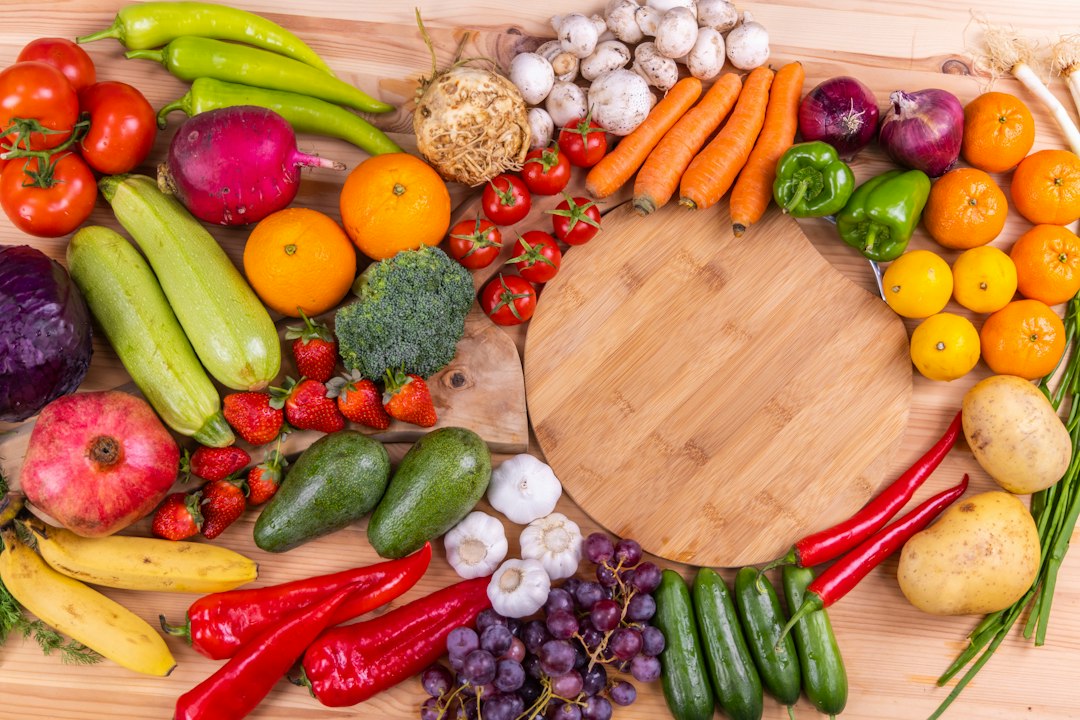
A practical framework for every meal: fill half your plate with non-starchy vegetables (broccoli, spinach, bell peppers, zucchini), one-quarter with lean protein (chicken, fish, eggs, tofu, legumes), and one-quarter with whole grains or starchy vegetables (brown rice, sweet potato, quinoa). Add a small amount of healthy fat—olive oil, avocado, or nuts—which further slows digestion. This combination, recommended by the American Diabetes Association, provides roughly 40% carbohydrates, 30% protein, and 30% fat—a ratio that most people find sustaining and satisfying. Once you build this habit, meal planning becomes automatic rather than burdensome.
When to See a Doctor: Understanding When Diet Isn't Enough
While dietary changes are powerful, certain situations warrant professional evaluation. If you're experiencing persistent symptoms—severe fatigue, uncontrolled thirst, frequent urination, or unexplained weight changes—despite dietary improvements, see your doctor. A simple fasting blood glucose test or HbA1c test (which measures average blood sugar over three months) can reveal whether your blood sugar is truly dysregulated or if another condition is responsible. Adults with a family history of diabetes, those who are significantly overweight, or anyone over 50 should have regular blood sugar screening as part of preventive care.
Additionally, if you're currently taking diabetes medication or blood pressure medication, dietary changes can affect your medication needs. Some people find that as their insulin sensitivity improves through diet, their medication doses need adjustment to prevent blood sugar from dropping too low. This is actually excellent news—it means the dietary intervention is working—but it requires medical oversight. Your doctor can monitor your progress through blood tests and adjust prescriptions accordingly, making dietary changes even more effective.
If you've tried dietary changes consistently for 6-8 weeks without improvement, there may be other contributing factors such as thyroid dysfunction, hormonal imbalances, or nutritional deficiencies that need investigation. A functional medicine practitioner or registered dietitian can help identify what's preventing your progress and create a more targeted plan.
Frequently Asked Questions
Q: How quickly can I expect to feel a difference after changing my diet to include foods that help stabilize blood sugar levels?
A: Most people notice improved energy and reduced cravings within 3-7 days of consistently pairing carbohydrates with protein and adding fiber. Blood sugar stability measurable by fasting glucose typically improves within 2-3 weeks. However, insulin sensitivity (the deeper issue for many) takes 6-8 weeks of consistent dietary changes to show significant improvement on lab tests.
Q: Are all carbohydrates equally bad for blood sugar stability?
A: No. The difference between refined carbohydrates (white bread, sugary cereals) and whole carbohydrates (oats, sweet potatoes, quinoa) is enormous. Whole carbohydrates contain fiber and nutrients that slow glucose absorption. A 2021 study in Nutrients found that replacing refined carbs with whole carbs improved blood sugar stability even without reducing total carbohydrate intake.
Q: Can I rely on medication alone, or do dietary changes really make that much difference?
A: Dietary changes are foundational and often more powerful than medication alone. Research consistently shows that diet-first approaches prevent or delay progression to diabetes and allow many people to reduce medication dependence over time. Medication works best alongside, not instead of, nutritional changes.
Q: What's the best way to start if I'm overwhelmed by making all these changes at once?
A: Start with one change: either add protein to breakfast, drink water instead of sugary drinks, or take a 10-minute walk after dinner. Master one habit for two weeks before adding another. Small, consistent changes compound dramatically over time and feel far less overwhelming than overhauling your entire diet simultaneously. Many people find that as their energy improves, motivation for additional changes naturally follows.
Q: Are artificial sweeteners a good substitute for sugar if I'm trying to stabilize blood sugar?
A: This remains controversial in research. While artificial sweeteners don't directly raise blood sugar, some studies suggest they may alter gut bacteria and glucose metabolism in unpredictable ways. For most people, focusing on whole foods and naturally sweet options like berries is more reliable than relying on artificial sweeteners. If you need sweetness, stevia and monk fruit are plant-based options with minimal metabolic impact.
Taking the Next Step
If you've been struggling with energy crashes, brain fog, or unexplained weight gain, unstable blood sugar is likely playing a role. The foods and strategies outlined here address the root cause, and many people see dramatic improvement simply by making dietary adjustments. If you want to explore whether a targeted nutrient formula might complement your dietary efforts, Zensulin combines key nutrients specifically researched for blood sugar support. Visit the site to review the full ingredient profile and see if it aligns with your health goals.